Things to Do in Pula, Croatia: Roman Ruins, Beaches and Adriatic Charm

The Amphitheatre in Pula - 27 BC – AD 68
Located at the southern tip of Croatia’s Istrian peninsula, Pula is a historic coastal city that blends ancient Roman heritage with Adriatic seaside charm. For travellers searching for things to do in Pula, the city offers an appealing mix of Roman ruins, Adriatic beaches, lively festivals and relaxed Mediterranean culture. With impressive archaeological sites, relaxed cafés, beautiful beaches and a strong Italian influence on food and culture, it has become one of the most interesting destinations to visit in Croatia.
Top Things to Do in Pula
Visitors will find a wide range of attractions in and around the city. Some of the most popular things to do in Pula include:
Visiting the Pula Arena, one of the best‑preserved Roman amphitheatres in the world
Walking through the historic Roman Forum in the city centre
Seeing the Temple of Augustus and the Arch of the Sergii
Relaxing on the beaches around Verudela and Stoja
Exploring the wider Istrian peninsula with its coastal villages, vineyards and olive groves
These highlights combine ancient history with the relaxed lifestyle of the Adriatic coast.
A City Shaped by Ancient Rome
Pula’s most famous landmark is the Pula Arena, a remarkably well‑preserved Roman amphitheatre dating from the 1st century. It is one of the largest surviving Roman arenas in the world and dominates the city’s skyline. Today it hosts concerts, film screenings, and cultural events throughout the year.
During summer, internationally known artists perform inside the arena, with recent concerts featuring performers such as Dua Lipa, Lenny Kravitz, and Duran Duran. Historically it has also hosted legendary performers including Luciano Pavarotti.
The city’s Roman heritage extends beyond the arena. Visitors can explore the Temple of Augustus, the Arch of the Sergii, and the remains of the Roman Forum, which was once the centre of civic life in ancient Pula.
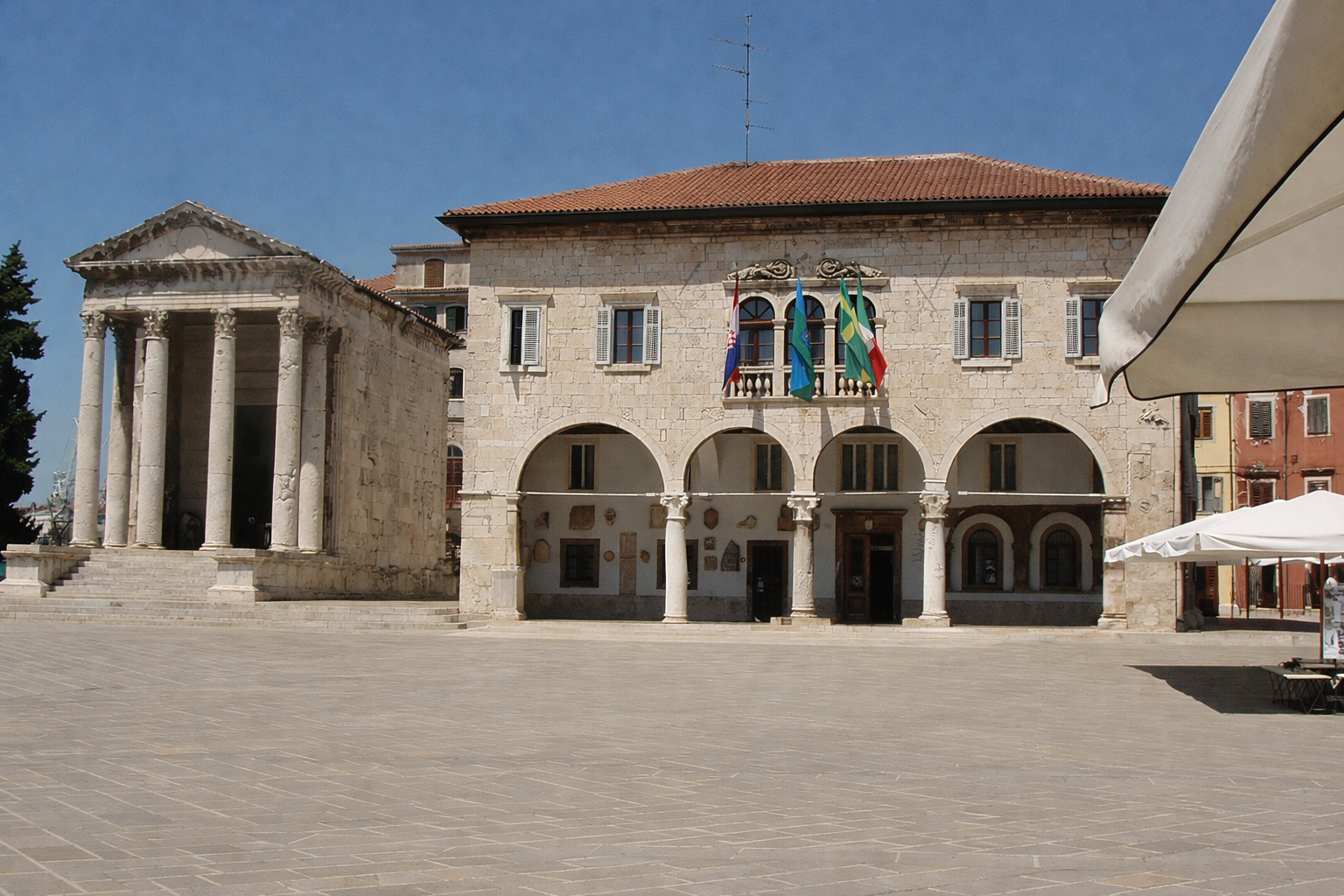
Temple of Augustus... Dedicated to the first Roman emperor, Augustus, it was probably built during the emperor's lifetime at some point between 27 BC and his death in AD 14.
Culture and Festivals
Every July the city hosts the Pula Film Festival, one of the oldest film festivals in Europe. Screenings are famously held inside the Roman arena, creating a dramatic and atmospheric cinema setting.
In winter the amphitheatre takes on a completely different character during Advent in Pula, when festive markets appear and even an ice rink is created within the ancient structure.
Beaches and Adriatic Coastline
Beyond its history, Pula is also a gateway to the beautiful coastline of the Istrian peninsula. The surrounding area offers clear Adriatic waters, pine‑lined coves and rocky beaches ideal for swimming and snorkelling. Popular coastal spots such as Verudela and Stoja are easily accessible from the city centre.
The city also makes an excellent base for exploring Istria, with picturesque towns, vineyards, olive groves and coastal villages within easy reach.
Italian Influence and Food
Due to centuries of Venetian and Italian influence, Pula’s food culture reflects a blend of Croatian and Italian traditions. Expect fresh seafood, handmade pasta, local olive oil, and relaxed outdoor dining. Aperitivo culture is common in the evenings and the city’s cafés and waterfront restaurants contribute to a distinctly Mediterranean atmosphere.
Getting to Pula
Pula has its own international airport and is increasingly easy to reach from the UK and across Europe. New flight routes continue to expand access to the Istrian peninsula, making the city a convenient gateway for exploring the Adriatic coast.
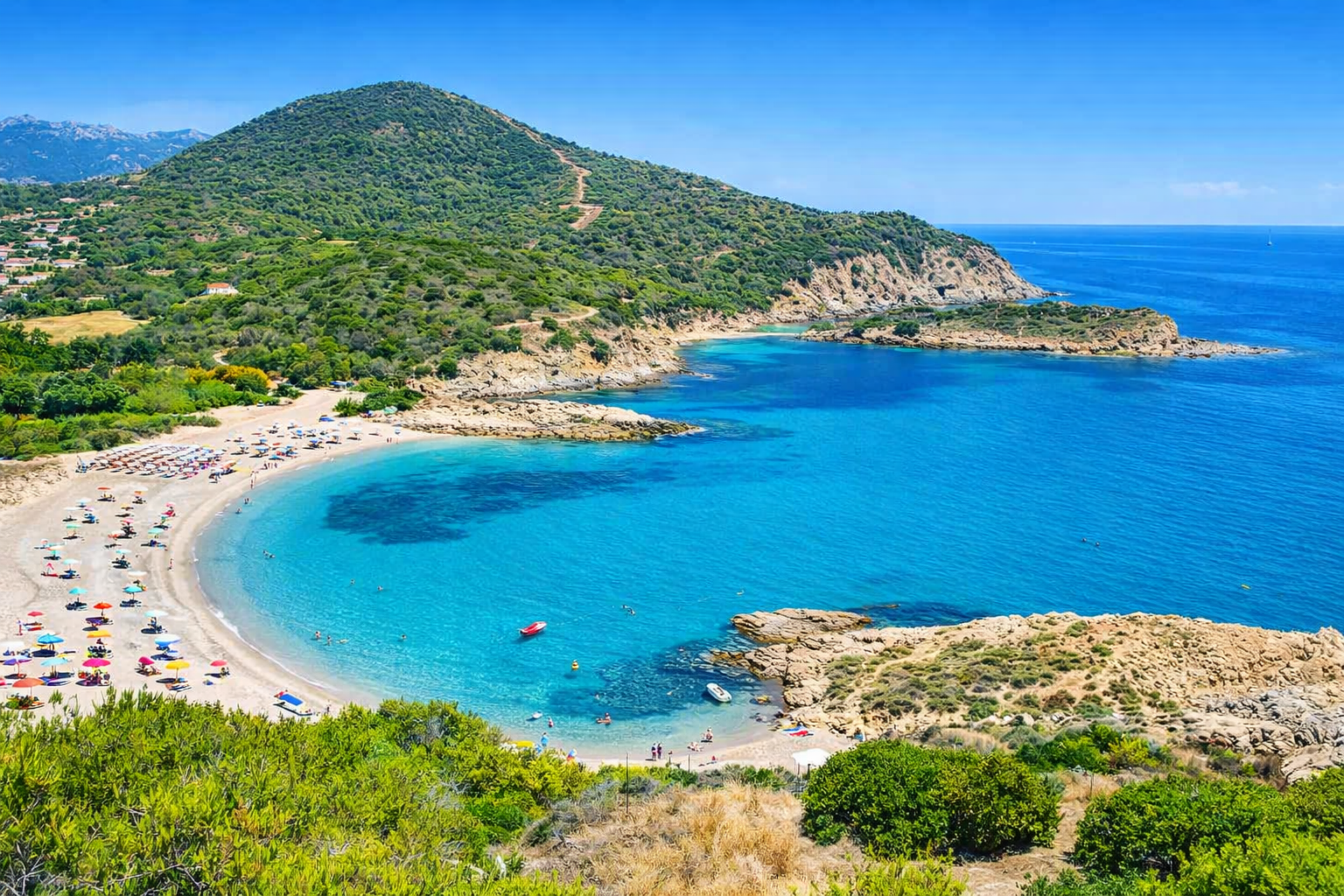
You’ll be forgiven for thinking you’re in the Caribbean!
A New Direct Flight Option
For travellers from the UK, access to Pula is becoming easier. Jet2 has announced a new direct route from Edinburgh Airport, marking the first time the airline has flown directly to the region. Flights operate between 2 May and 17 October.
The addition of Pula expands Jet2’s summer programme from Edinburgh, which will feature flights to 40 destinations by summer 2027. The new route is expected to appeal to holidaymakers looking to secure summer travel plans early.
Why Pula Works So Well as a Holiday Destination
Pula offers a rare combination of history, culture, beaches, and cuisine. Travellers can spend the morning exploring Roman ruins, the afternoon swimming in the Adriatic, and the evening enjoying seafood and local wine in a waterfront restaurant.
With easy access to the wider Istrian peninsula and growing international flight connections, Pula is increasingly recognised as one of Croatia’s most rewarding coastal cities to visit.
Frequently Asked Questions About Pula
Is Pula worth visiting?
Yes. Pula combines Roman history, Adriatic beaches, and excellent seafood. The city’s Roman amphitheatre, the Pula Arena, is one of the best‑preserved in the world and regularly hosts concerts and cultural events.
How many days do you need in Pula?
Most travellers spend two to three days exploring Pula’s Roman landmarks, beaches and nearby towns across the Istrian peninsula.
What is Pula famous for?
Pula is best known for the Pula Arena, a 1st‑century Roman amphitheatre that still hosts concerts, festivals and film screenings.
When is the best time to visit Pula?
Late spring through early autumn is ideal, when warm weather allows visitors to enjoy both historic sites and the Adriatic coastline.
Planning a Holiday to Pula
If you are considering a trip to Croatia’s Istrian peninsula, Pula is an excellent starting point. From Roman history and film festivals to Adriatic beaches and exceptional seafood, the city offers a well‑rounded holiday experience with easy access to the wider region.
One Extra Night Travel can help arrange flights, hotels, and tailor‑made itineraries across Croatia, including stays in Pula and other destinations along the Adriatic coast.
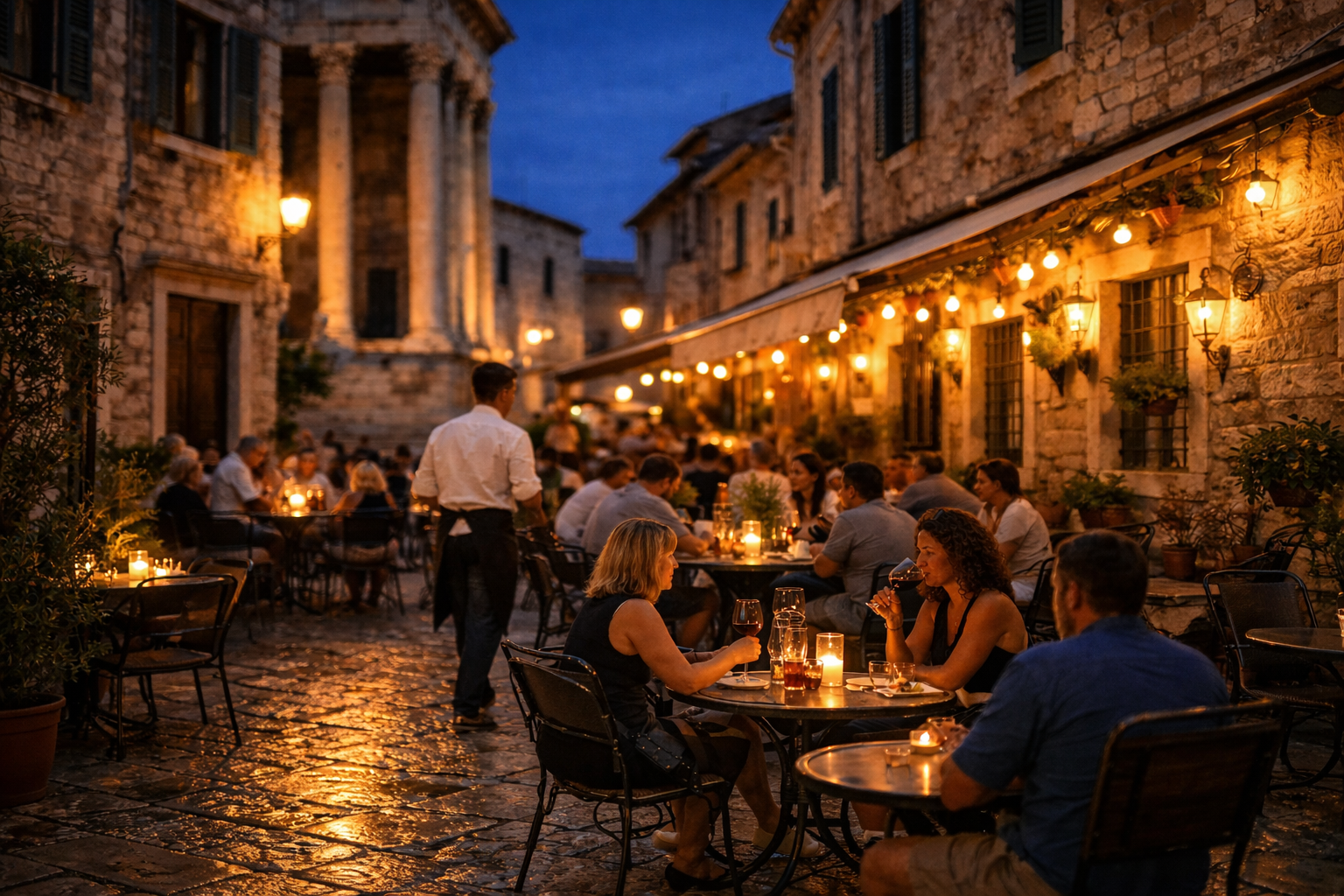
Charming summer evenings in Pula